


The Science Behind Gratitude: Transform Your Life with a Grateful Mindset
Understanding Gratitude From A Psychological Perspective
Gratitude, at its core, can be understood as a complex emotion that involves recognizing and appreciating the positive aspects of life. In psychology, various definitions exist, but generally, gratitude is both a feeling of thankfulness and the deliberate practice of expressing that appreciation. Historically, gratitude has roots in moral philosophy, but it has gained prominence in psychological research, where it is often linked to well-being.
There is a major difference between gratitude as a feeling and gratitude as a practice. The feeling comes about automatically—perhaps when someone helps you or gives you a gift—the practice involves consciously acknowledging what you are grateful for, be it small or large.
The Neuroscience of Gratitude
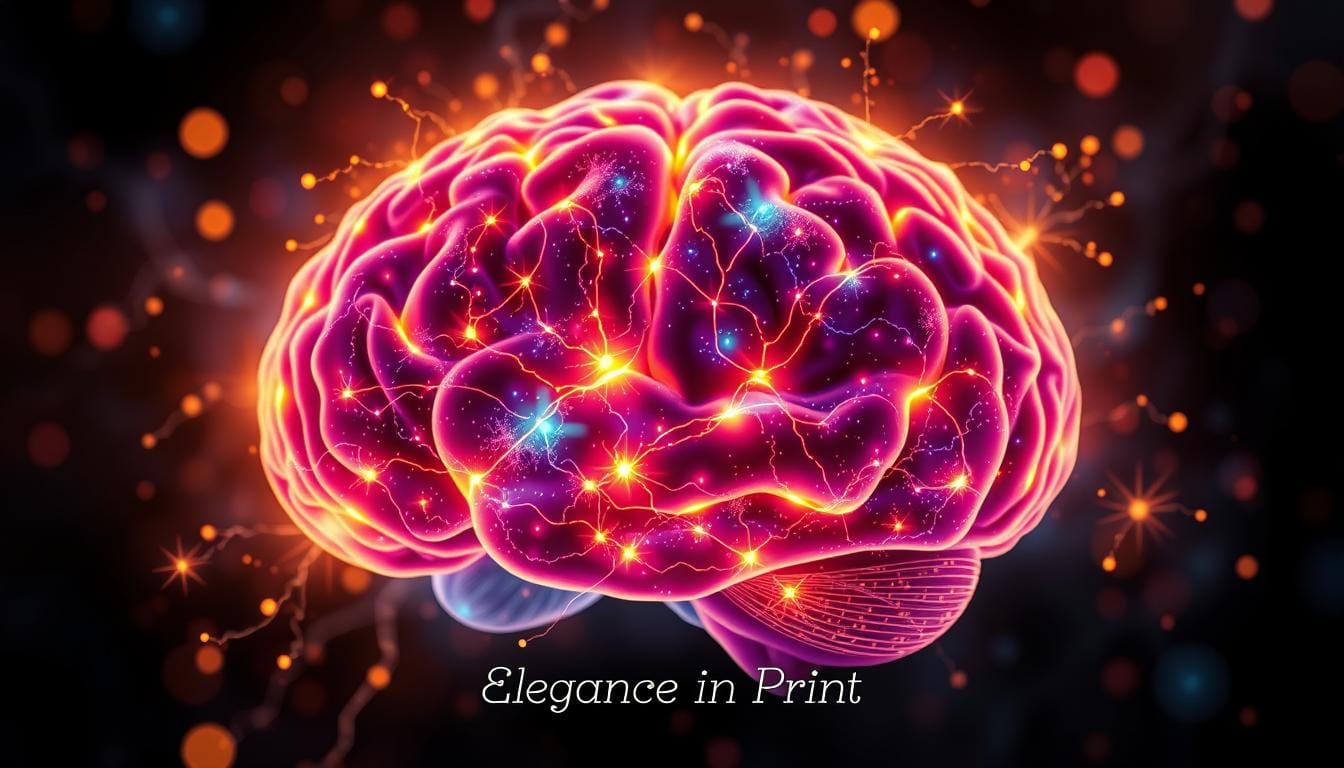
Gratitude affects our brain chemistry in fascinating ways. Research shows that when we express gratitude, our brain releases neurotransmitters like dopamine and serotonin, which enhance our mood and emotional well-being. Studies have also revealed that specific parts of the brain, especially those associated with the reward system, are activated when we focus on what we are thankful for.
These changes in brain chemistry not only improve our mood temporarily; they also play a role in emotional regulation. People who regularly practice gratitude experience improvements in their mental health, and experience lower levels of anxiety and depression.
Gratitude vs. Other Positive Emotions
Gratitude differs from other positive emotions like joy or contentment. Joy often comes from present experiences, while gratitude requires a reflection on the past in order to recognize and appreciate how it has contributed to our current circumstances. Its unique role in our overall well-being lies in its ability to enhance our relationships and foster a sense of connection.
Gratitude works with other emotions to improve our quality of life. For instance, feeling grateful may increase your sense of joy, leading to a greater feeling of contentment.
The Benefits of a Grateful Mindset
Emotional Benefits

Having a mindset of gratitude is strongly linked to increased happiness. Studies suggest that individuals who regularly acknowledge what they are thankful for experience a significant increase in overall life satisfaction. Furthermore, gratitude has been found to combat feelings of anxiety and depression, offering a shield against negative emotions.
What really makes gratitude stand out is its ability to afford us emotional resilience. When we face challenges, a grateful perspective helps us bounce back and maintain a positive attitude.
Physical Health Benefits
Gratitude's impact goes beyond just our emotional state; it influences our physical health as well. Grateful individuals tend to enjoy better health outcomes, and engage in healthier lifestyle choices. These choices include exercising regularly and maintaining a balanced diet, likely due to the motivational boost that gratitude provides.
Also, numerous studies link gratitude to improved sleep quality and reduced chronic pain. When we focus on gratitude, we tend to experience fewer stress-related symptoms, facilitating better recovery and restful nights.

Social Benefits
Gratitude enriches our social interactions. It strengthens the bonds we create with loved ones by encouraging feelings of appreciation and support. Expressing gratitude not only makes the receiver feel valued but also enhances the giver's sense of connection and belonging.
Furthermore, gratitude can boost community spirit. When individuals engage in acts of kindness or express gratitude, it creates a ripple effect, encouraging others to act similarly. This creates a culture of support within the community.
Strategies to Develop Gratitude
Daily Gratitude Journaling

Starting a gratitude journal is a simple yet powerful way to incorporate gratitude into your daily routine. Start by allocating a few minutes daily to jot down a few things you are grateful for. It could be as simple as being able to cuddle your puppy or being able to see the light of a new day.
Prompts can help deepen your reflections, such as, "What made me happy today?" or "Who helped me recently?" This practice trains your mind to focus on the positive and leads to long-term benefits.
Mindfulness and Gratitude
Mindfulness practices and gratitude complement each other beautifully. When we practice mindfulness, we learn to be fully present and aware, allowing us to notice and appreciate the little wonderful things in our daily lives.
Integrating gratitude into mindfulness can be as simple as pausing to acknowledge your surroundings—take a moment to be grateful for the smell of your morning coffee or the sound of birds chirping. Studies show that this enhances emotional well-being significantly.
Acts of Kindness as Expressions of Gratitude
Acts of kindness nourish gratitude. Simple gestures, like helping a neighbor or leaving a kind note, can lead to a deeper sense of appreciation not only for the recipients but also for ourselves.These acts inspire others to also spread kindness and gratitude to others.
Overcoming Barriers to Gratitude
Recognizing Negative Thought Patterns
Constantly dwelling on negative thoughts hinders our ability to feel grateful. Identifying these thoughts is the first step in overcoming them. Techniques such as cognitive reframing—where you consciously shift your focus from a negative to a positive aspect—can be beneficial.
Self-awareness plays a crucial role in fostering gratitude. By tuning into our thought processes, we can better navigate emotional challenges.
Cultural and Environmental Influences
Cultural factors shape our attitudes toward gratitude. In some cultures, expressing gratitude is common, while in others, it might be less emphasized. Recognizing these influences can help us navigate our own responses to gratitude.
Creating a supportive environment involves surrounding ourselves with positively-minded individuals and fostering spaces where gratitude is routinely expressed.
Dealing with Adversity
It is never easy to maintain a grateful mindset during tough times, but it is possible to find meaning in challenges. By reflecting on lessons learned or the support received during hardships, we can cultivate gratitude in the middle of challenges.
Even after losing a loved one, appreciating the love you shared or the memories created is transformative during such sorrowful circumstances.
The Long-Term Impact of a Grateful Life
Changes in Personal Outlook
A grateful mindset shifts our overall perspective on life. Over time, the things we value change from valuing material things to deeper connections and experiences.
Maintaining this perspective is important during significant life changes, offering a framework for understanding and appreciating the mystery of life’s unfolding journey.
Gratitude's Role in Stress Management
Gratitude is an effective tool for managing stress, providing a positive focus amid life’s chaos. Practical techniques like gratitude reflection or sharing grateful thoughts with friends can help ease stress levels.
Consistently practicing gratitude can lead to long-term benefits in stress reduction, helping us navigate life's inevitable ups and downs with greater ease.
Cultivating Gratitude in Future Generations
Teaching gratitude to children and adolescents is essential for fostering a healthier, more empathetic society. Parents and educators can introduce gratitude through simple practices, like discussing what they are thankful for at the dinner table or encouraging acts of kindness.
By nurturing a culture of gratitude, we lay a foundation for future generations that fosters compassion, resilience, and social harmony.
Conclusion
The transformative power of a grateful mindset is profound. Embracing gratitude in our daily lives not only enriches our own experiences but also enhances the lives of those around us, fostering greater well-being and resilience.
FAQs
1. What is gratitude, and how is it different from thankfulness?
Gratitude is a broader concept that encompasses a deep appreciation for what one has, while thankfulness is often a response to specific events.
2. How can I start practicing gratitude daily?
Begin by journaling or setting reminders to reflect on what you are grateful for each day. We have a collection of gratitude journals. Get yours today and start your gratitude journaling journey CLICK HERE.
3. Can gratitude really improve my mental health?
Yes, numerous studies confirm that practicing gratitude can lead to improved mood and lower levels of anxiety and depression.
4. What if I struggle to feel grateful?
Try focusing on small aspects of life that bring you joy, and consider using prompts to facilitate reflection.
5. Is there a right way to express gratitude?
Gratitude can be expressed in many ways, from simple thank-you notes to heartfelt conversations—what matters most is sincerity.
About this blog
Life is a canvas, and we’re here to help you fill it with creativity, positivity, and purpose. Whether you’re seeking ideas to elevate your space, tips for manifesting your dreams, or stories that inspire, our blog is your go-to guide. We also run Elegance In Print, a print-on-demand store featuring apparel, accessories, home decor, and digital downloads designed to inspire and motivate.